Our Philosophy
The Power of Early Childhood
Early childhood is the most formative stage of life. The brain (the only organ not fully developed at birth) undergoes remarkable growth during these years—laying the foundation for how we learn, relate, and respond to the world.
Though these years may not remain part of our conscious memory, the relationships and experiences we encounter during this time leave a lasting imprint. “Educate a child in his youth…and it will stay with him forever.” (Proverbs) That is why early childhood education is so essential.
Our Approach
At Zimmer, we embrace this responsibility with heart and purpose. Teaching is not simply our profession; it is our calling. Our mission is to guide young children in a warm and enriching environment where they grow into confident, curious, and capable learners—and ultimately, into a mensch: empathetic, responsible, and compassionate.
Our educational approach is rooted in Jewish values and constructivist philosophies of early childhood education, especially Reggio Emilia. We see children as naturally curious and capable, and view the role of adults is to create environments that invite exploration while offering thoughtful guidance through attentive listening and meaningful engagement.
We place great value on emotional safety, trusting relationships, and rich experiences—all of which form the bedrock for lifelong learning and well-being
The Values That Shape Our Work
Each child is unique, and inherently competent.
We see each child as b’tzelem Elokim—created in the image of God, full of curiosity, capability, and potential. This belief grounds our approach: children are active participants in their own learning, capable of collaboration, problem-solving, and expressing themselves in “a hundred hundred languages.” We recognize that children grow at their own pace and possess a wide range of strengths. They deserve learning experiences that honor their individuality and support their personal journey. At the heart of our work is deep trust in their abilities.
The teacher is a guide and co-learner.
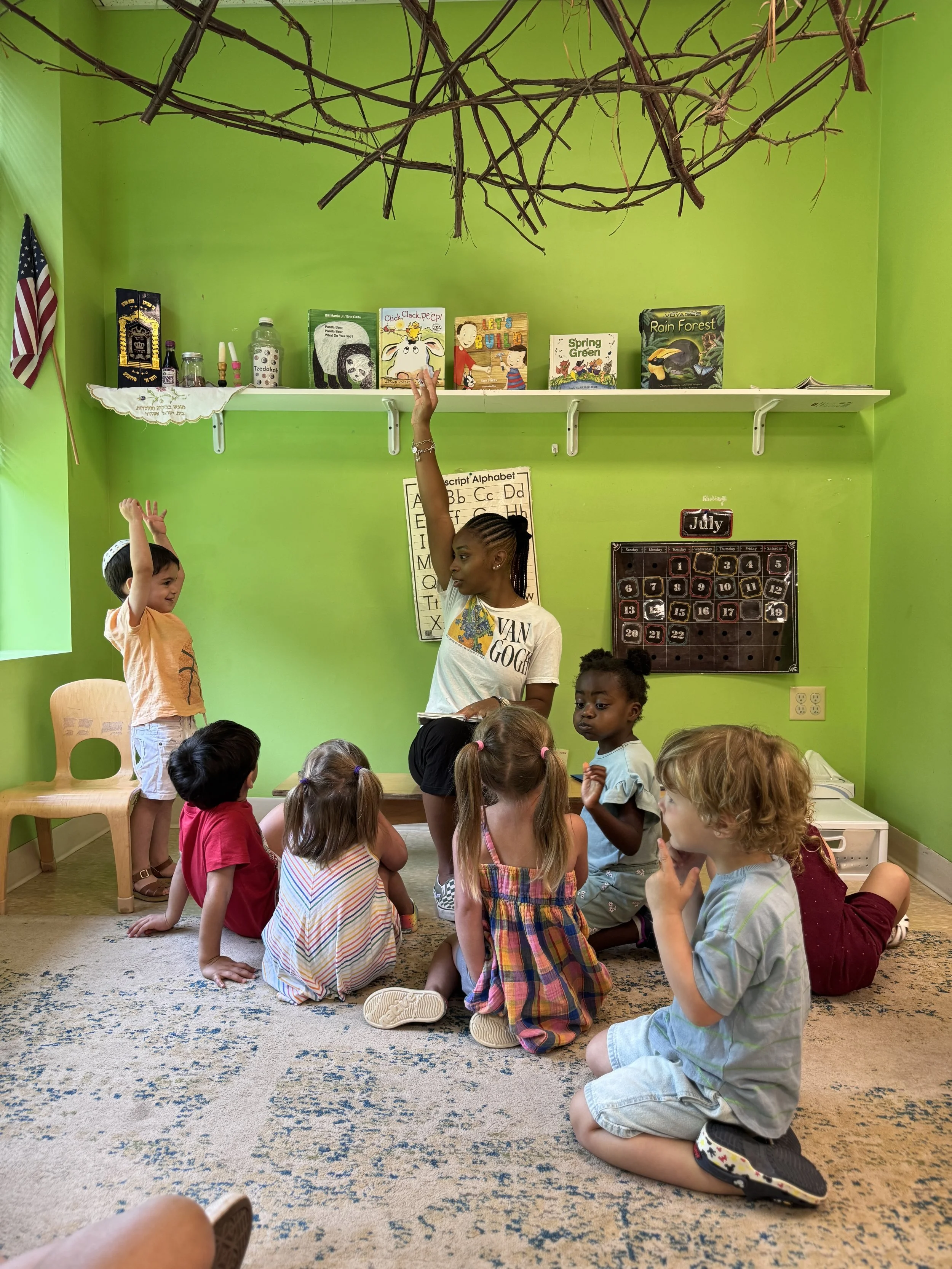
Our teachers design developmentally-appropriate, engaging environments that support and extend each child’s cognitive, emotional, social, and physical growth. Attuned to the group’s energy and individual rhythms, they recognize teachable moments and guide learning that is relevant and alive. We don’t just teach children—we learn with them, honoring their ideas and questions.
Emotional well-being is not separate from learning—it is the foundation of it.
When a child’s voice, needs, and strengths are valued, the conditions for learning can take root. That same respect naturally extends into the classroom community, where children feel a sense of responsibility toward one another and the group. The sense of peace that fills our school reflects this core belief.
Structure creates freedom.
Children thrive when they know what to expect; within the comfort of consistent routines, clear boundaries, and organized spaces, they feel safe to explore, create, and take risks. Structure doesn’t limit creativity—it helps it flourish.
The physical environment impacts the child’s experience.
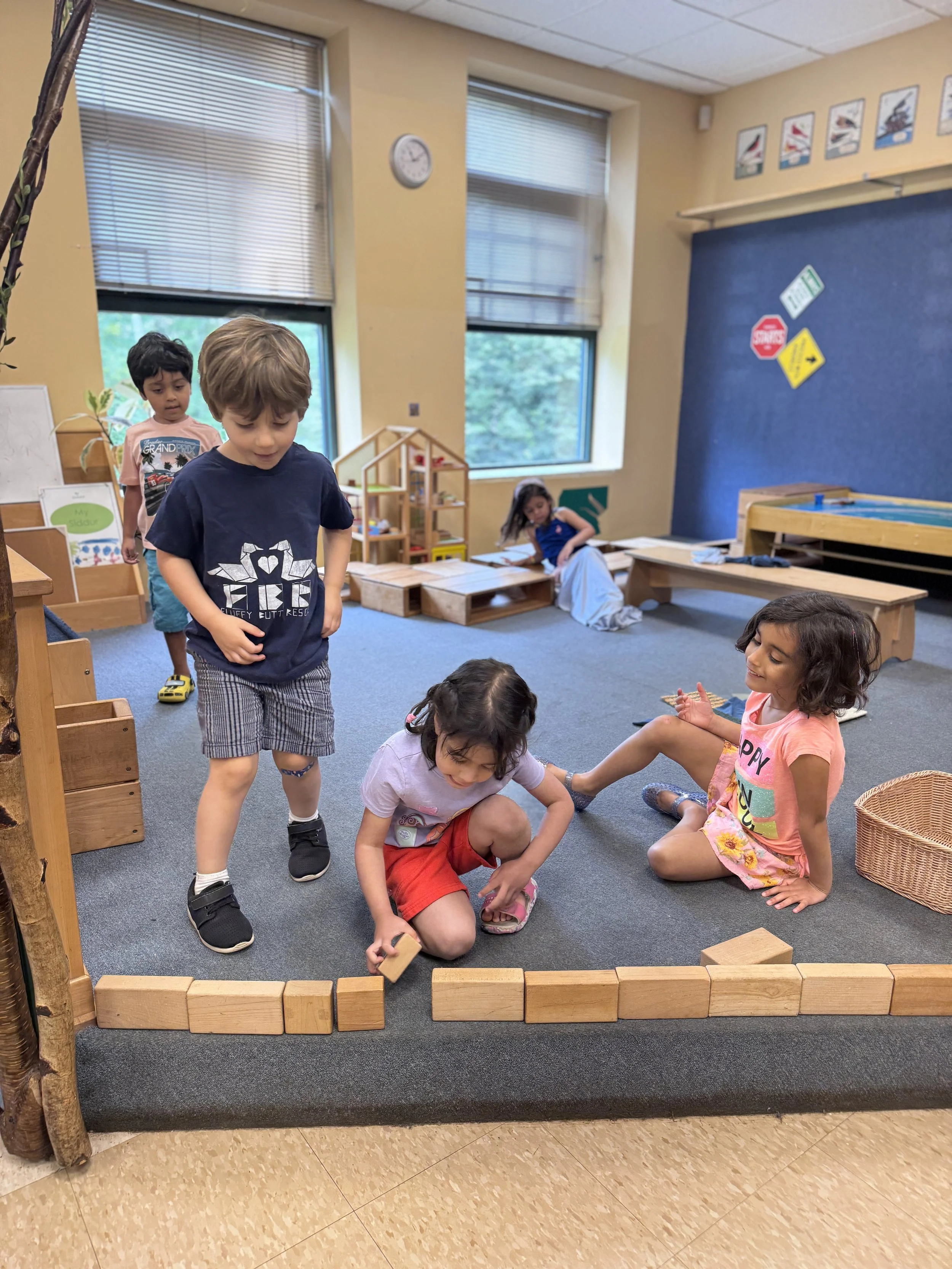
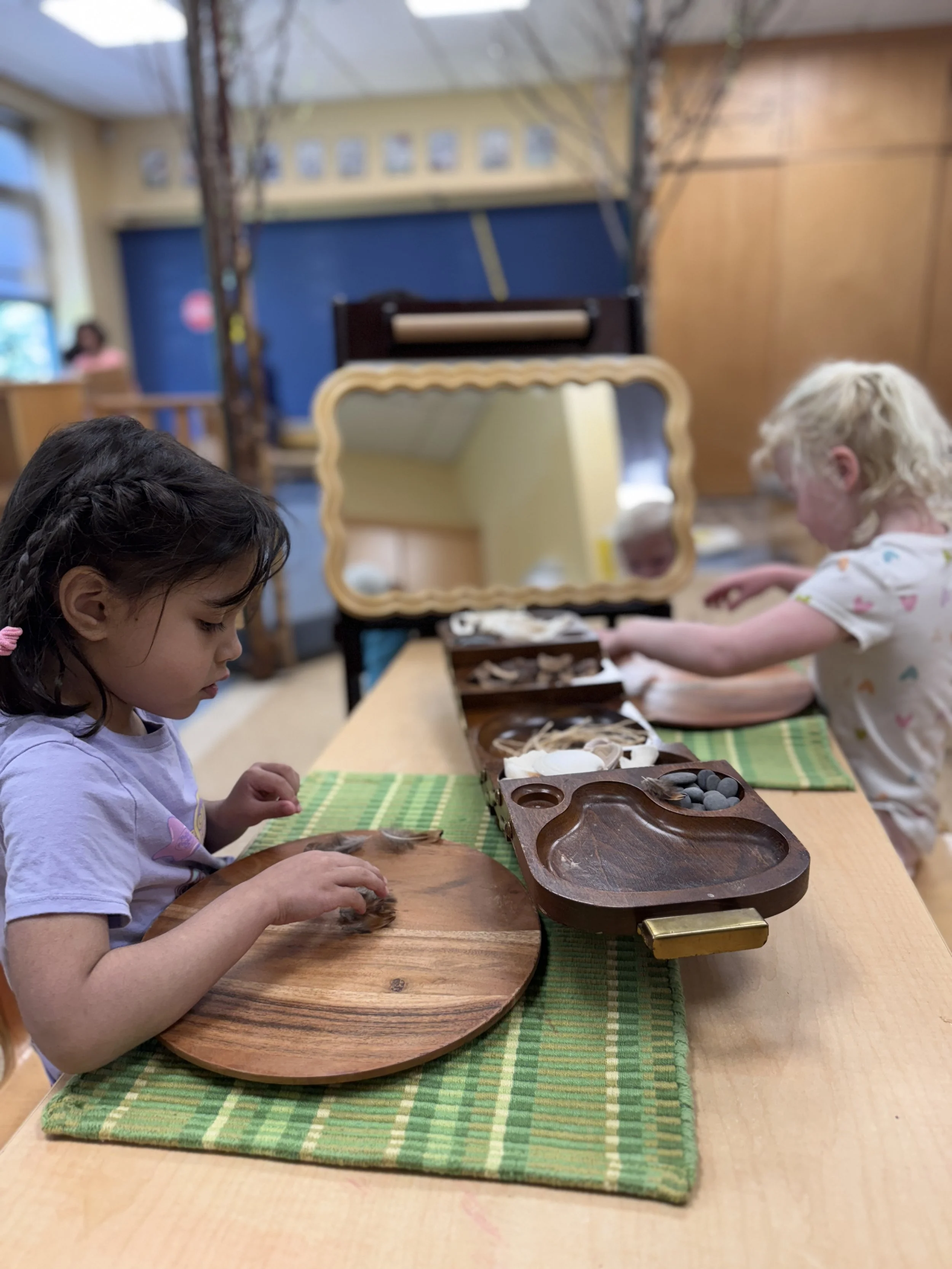
The classroom is more than a backdrop—it’s a teacher in itself. We create beautiful, organized, and engaging spaces filled with natural light and meaningful materials that spark curiosity, focus, and creativity.
The learning is visible and celebrated.
Children’s work matters—not just the finished product, but the thinking, effort, and creativity behind it. We document and display their learning, inviting reflection, pride, and dialogue between school and home.
Parents are partners.
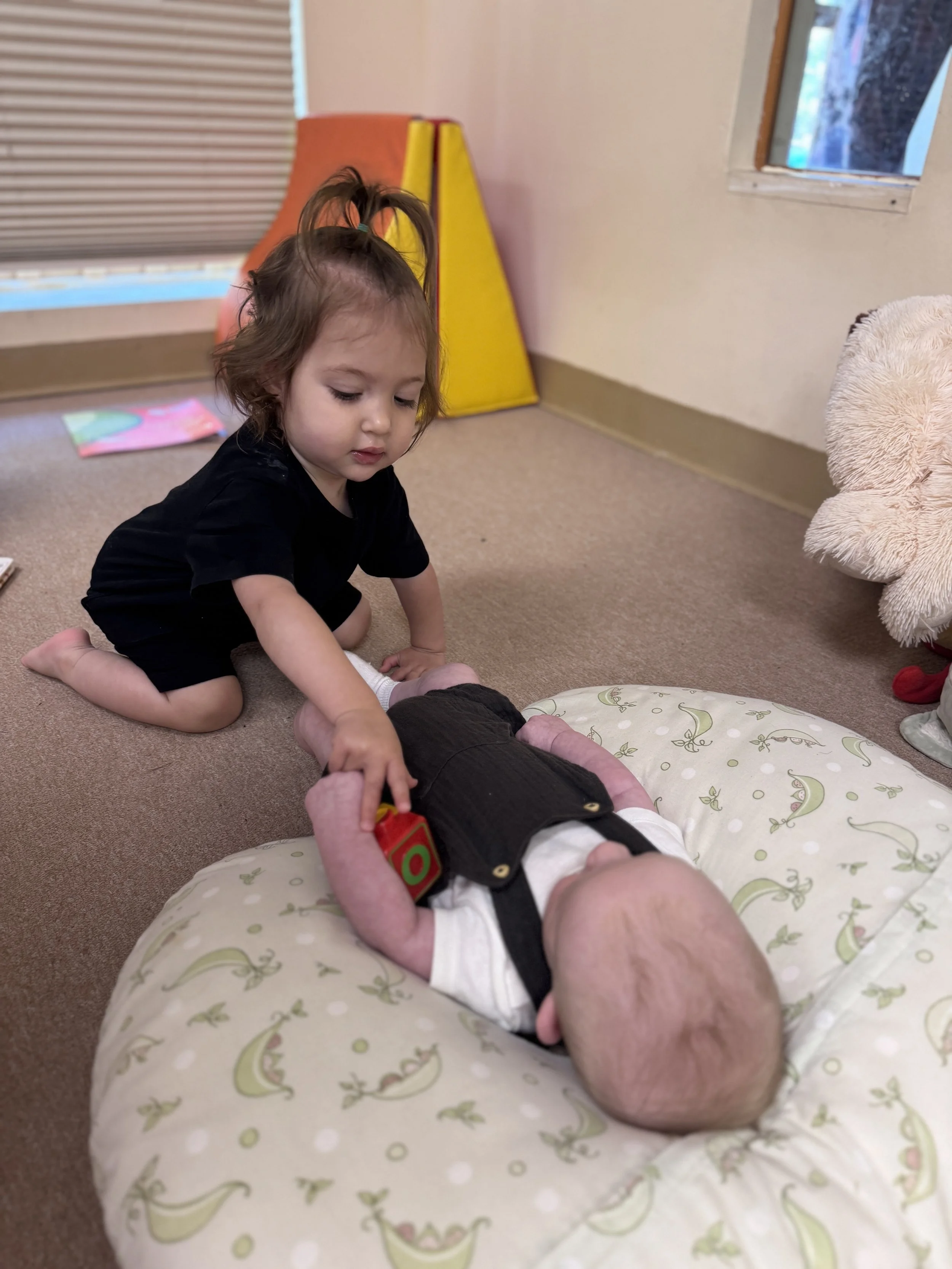
When children experience harmony between home and school, it helps them feel secure and confident. We build strong, two-way communication with families rooted in trust and shared purpose. Together, we support each child’s development with consistency and care.
Nature connects us to something greater.
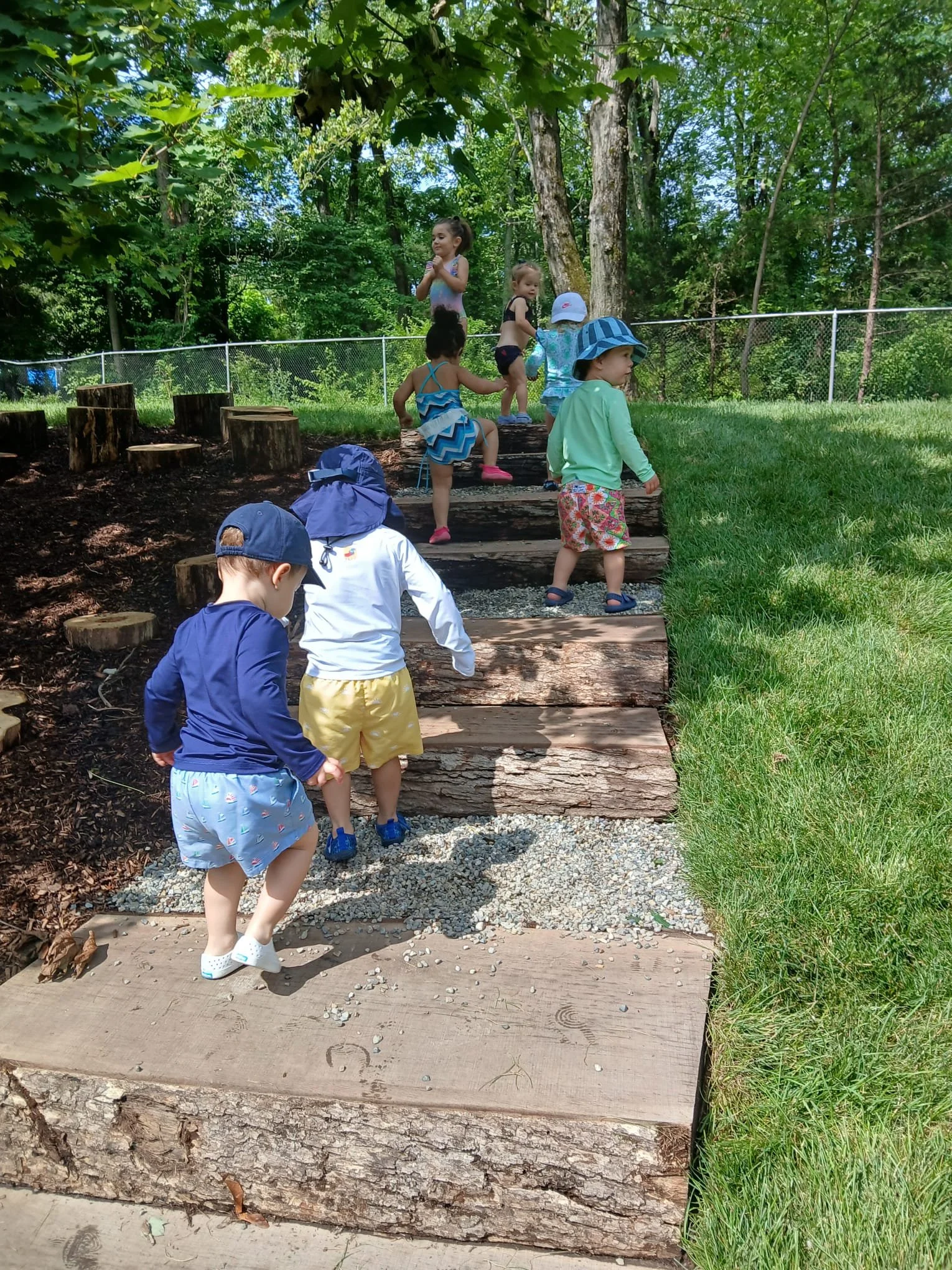
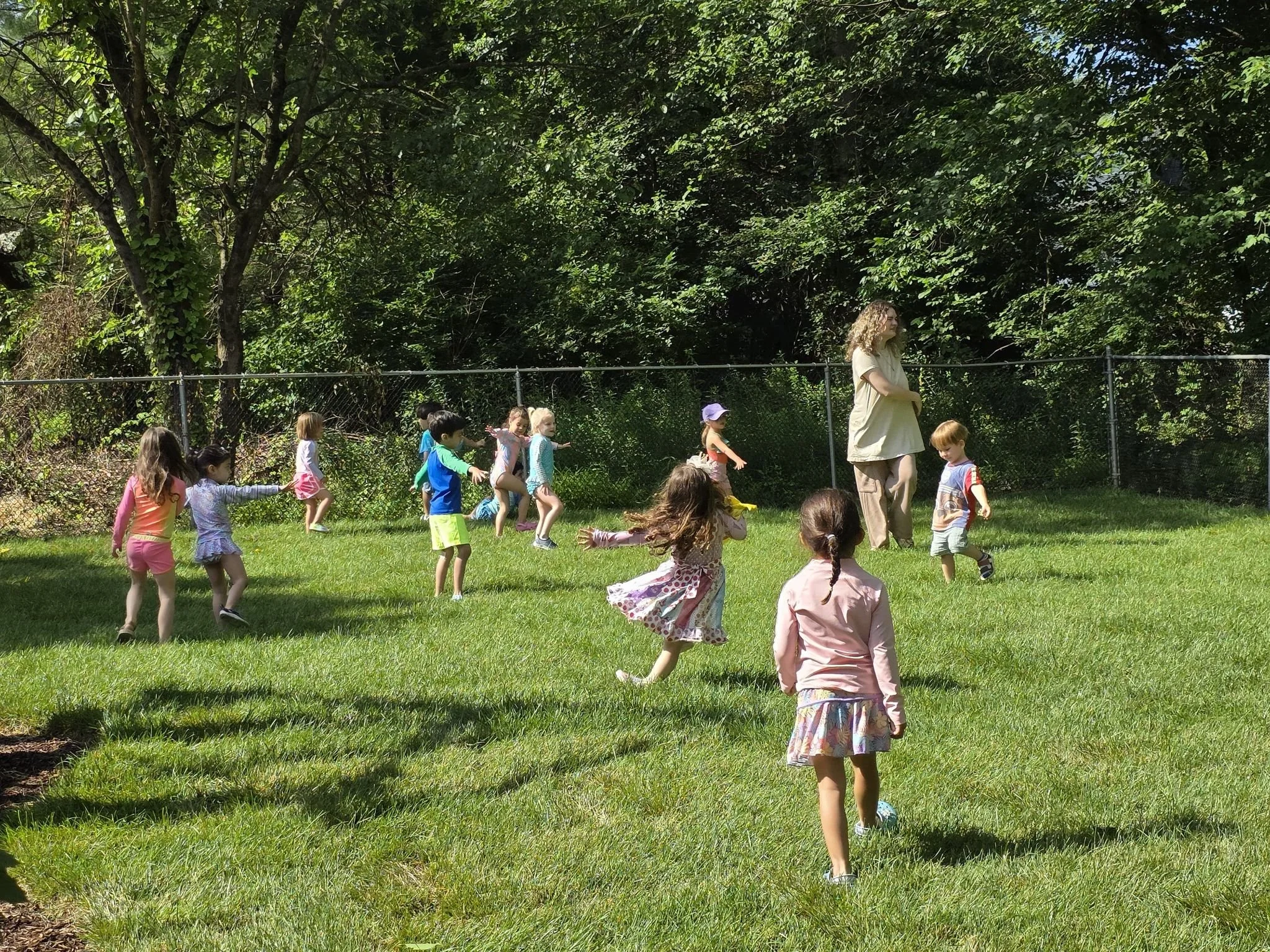
Time in nature fosters wonder, responsibility, and a deep bond with the living world. It gives children space to run, dig, plant, and care for living things. In a world of screens and busy schedules, outdoor exploration is more important than ever.
Laughter, always laughter.
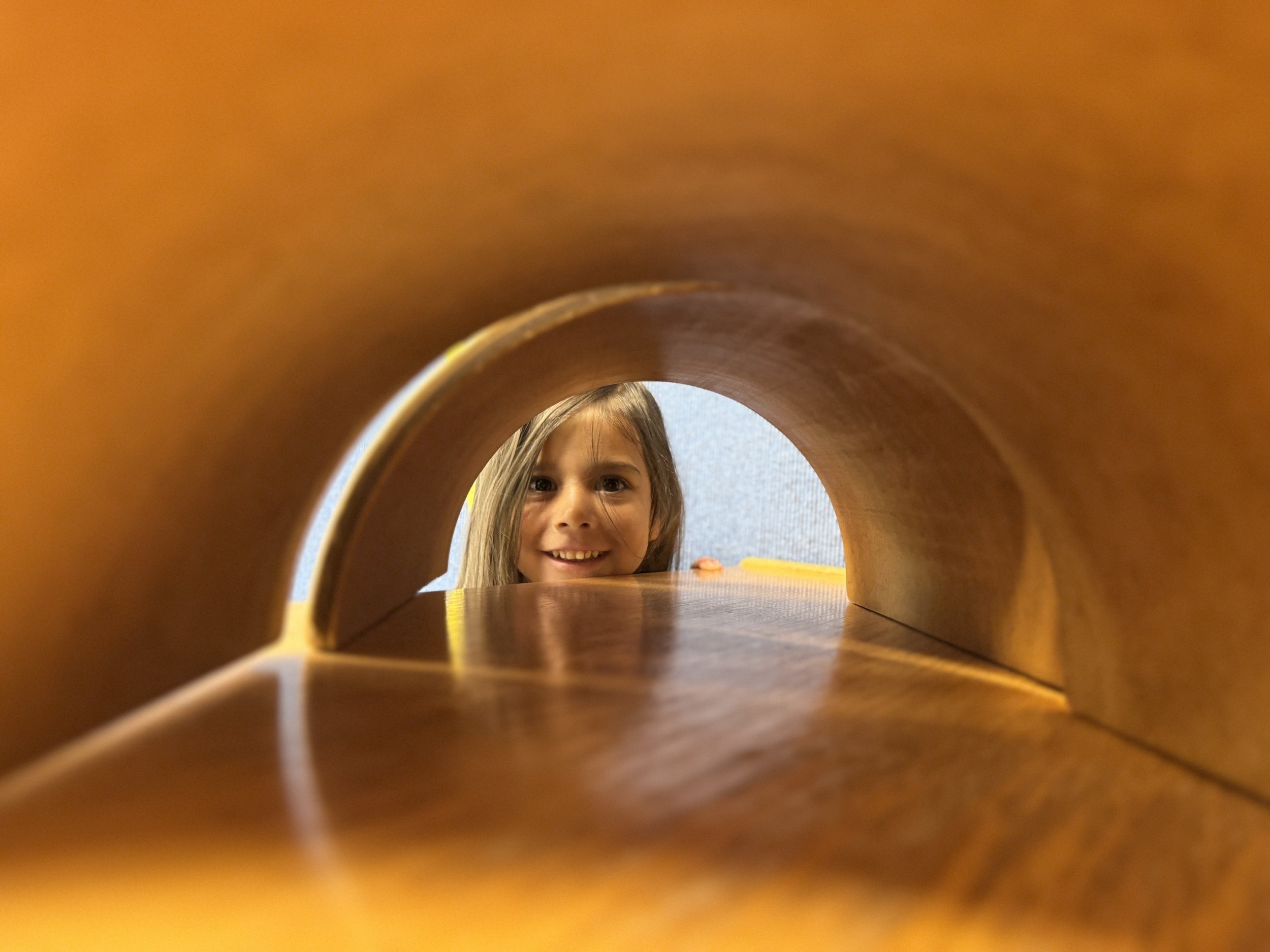
Humor lightens the day, builds connection, and makes learning fun. We take learning seriously, and laughter and humor are essential to the journey.