
Curriculum
-
Our units of study are developed through both thematic and emergent approaches. Thematic refers to pre-selected topics chosen for their universal appeal and relevance, while emergent topics grow from subjects suggested by children in real time. Each unit of study weaves in essential skills such as literacy, math, and motor development.
-
September: Welcome & New Year Holidays
Welcome to Our New Friends: exploring our classroom, school, and community
Community Helpers: learning about important jobs and how everyone contributes
Rosh Hashanah, Yom Kippur, Sukkot, Simchat Torah
October: Season of Autumn
Changes in nature: leaves change colors and fall
Animals in Autumn: preparing, migrating
Autumn Foods: squashes, pumpkins, and seasonal produce
November: Gratitude & Light
Thanksgiving: gratitude and family
Chanukah: exploring the menorah and traditions
December: Season of Winter
Changes in nature: freezing temperatures, snow and ice
Animals in Winter: Hibernation, Adaptation, and Migration
Caring for the world and ourselves responsibly
January: Shabbat
Reflecting on and celebrating our week
Preparing for a Family Shabbat Dinner
February: Art & Artists
All About Art: what is art, what makes someone an artist?
Exploring new art techniques, materials, and art forms
March: Literacy & Purim
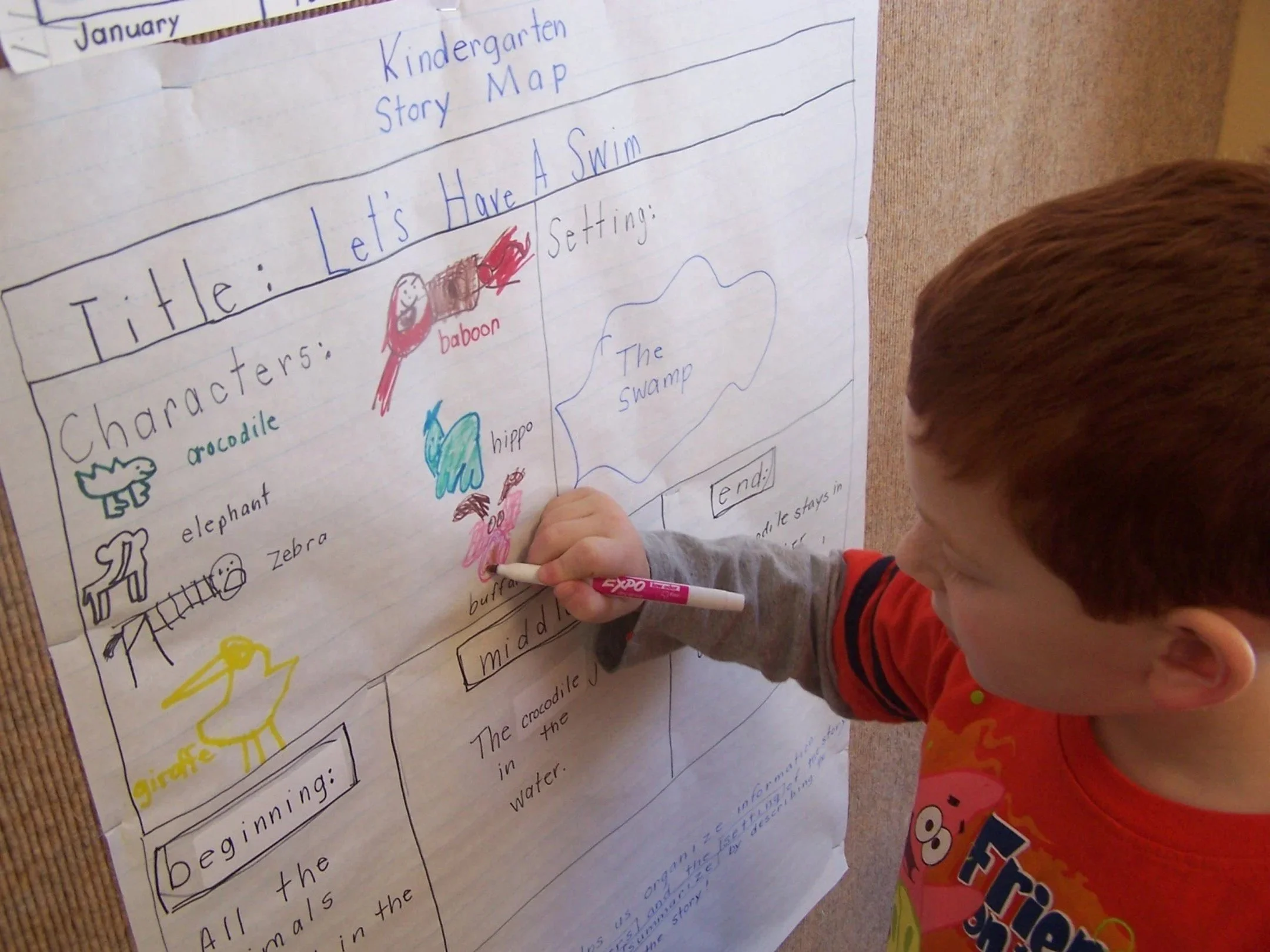
Books, authors, illustrators; hearing, telling, and creating stories
The Book Fair
Purim: Scrolls and stories; traditions and community
April: Passover & Spring
Passover: traditions, what it means to be free, matzah
Changes in nature: soil, seeds, flowers, trees
The Amazing World of Bugs & Animals: anatomy and their role in the ecosystem
May/June: Shavuot & Year-End Celebration
Shavuot: the Torah
Reflection & Celebration: An end-of-year celebration
-
Emergent curriculum units are themes of learning that grow from children’s interests.
-
Bunnies
3’s: Morah Monika Vasques
What sparked it: An influx of bunnies on the playground one spring led to many questions and excited observations.
Research focus: Rabbit habitats, diets, physical features, life cycles, and differences between pet and wild rabbits.
Skills used: Observation, research, questioning, note-taking, creative writing, and fine motor skills in modeling.
New knowledge gained: Children discovered how bunnies build burrows, parts of their body, what they eat in the wild.
End product: 3D bunny models and a class-authored book combining factual information with an imaginative bunny story.
What surprised us: The children’s intense fascination with rabbit behavior sparked empathy about caring for animals, which led to the decision to adopt a school bunny and extend their learning through daily care.
Houses Around the World
PreK: Morah Janice Brown
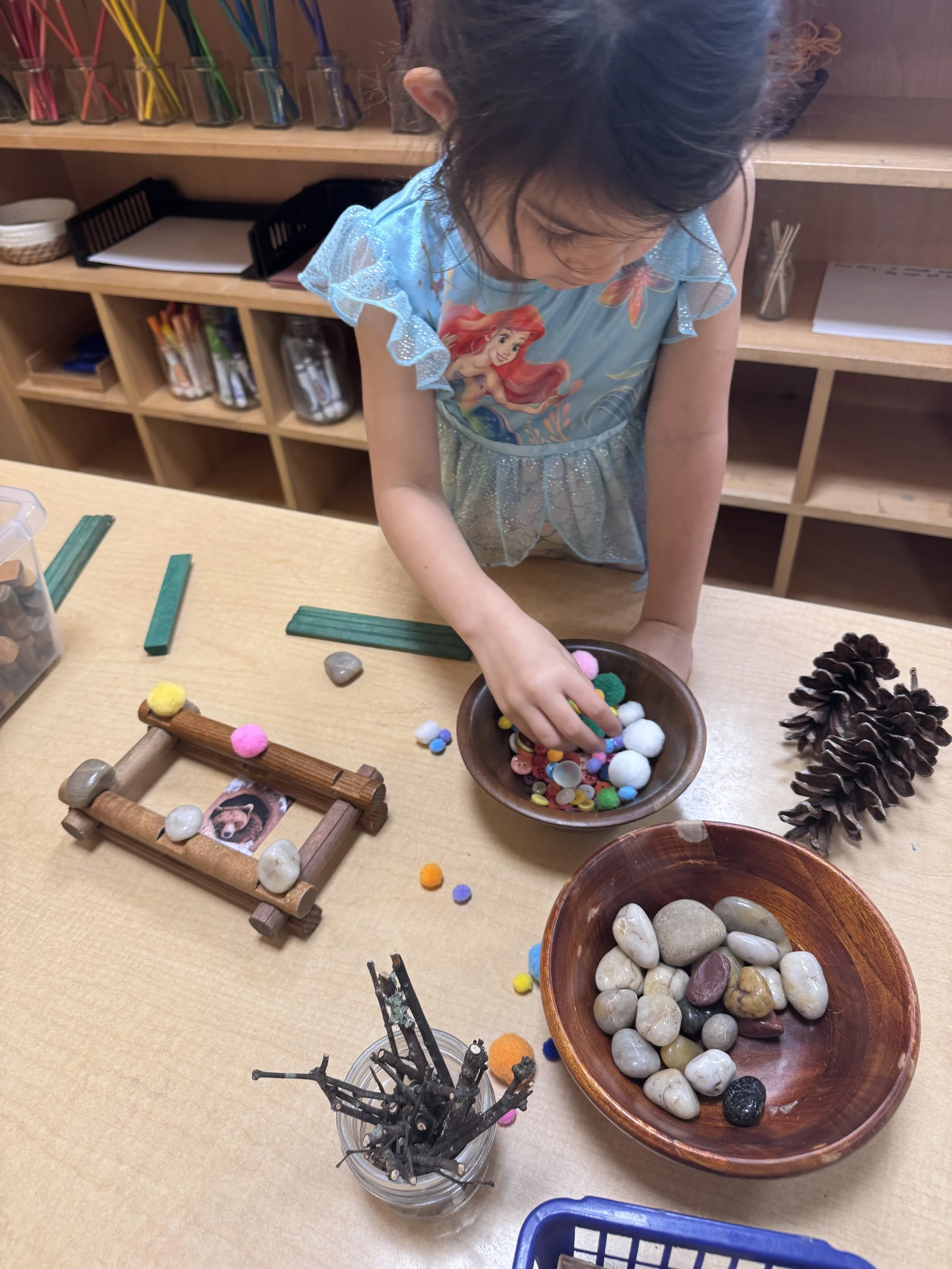
What sparked it: The block center became a hub of activity as children built increasingly complex structures they called “homes.” When one child commented on NYC skyscrapers compared to our suburban houses, the emergent unit took shape.
Research focus: Types of houses around the world; why homes look different in various places; materials used in construction; how geography and climate influence design.
Skills used: Comparing and contrasting, vocabulary development, map reading, storytelling, collaborative discussion.
New knowledge gained: Children learned about yurts, igloos, mud huts, stilt houses, and other global homes, deepening their understanding of cultural diversity and how people adapt to their environments.
End product: A class book of facts about each type of house, drawings and a 3D model of each house style.
What surprised us: How quickly children grasped that houses are shaped by people’s needs and their environments—and how eager they were to share personal stories about their own homes and travels.
Playground
Kindergarten: Morah Monika Vasques
What sparked it: Ongoing playground renovations piqued children’s curiosity about how things are built.
Research focus: How playgrounds are designed and constructed; playground equipment; tools and materials used.
Skills used: Measurement, design planning, group problem-solving, tool safety, teamwork, fine motor skills.
New knowledge gained: Children learned about measuring, cutting, assembling parts, and how blueprints are used in real construction.
End product: An 8-foot wooden playground model created collaboratively by the class.
What surprised us: The children’s ability to negotiate ideas and work together to construct even miniature things.
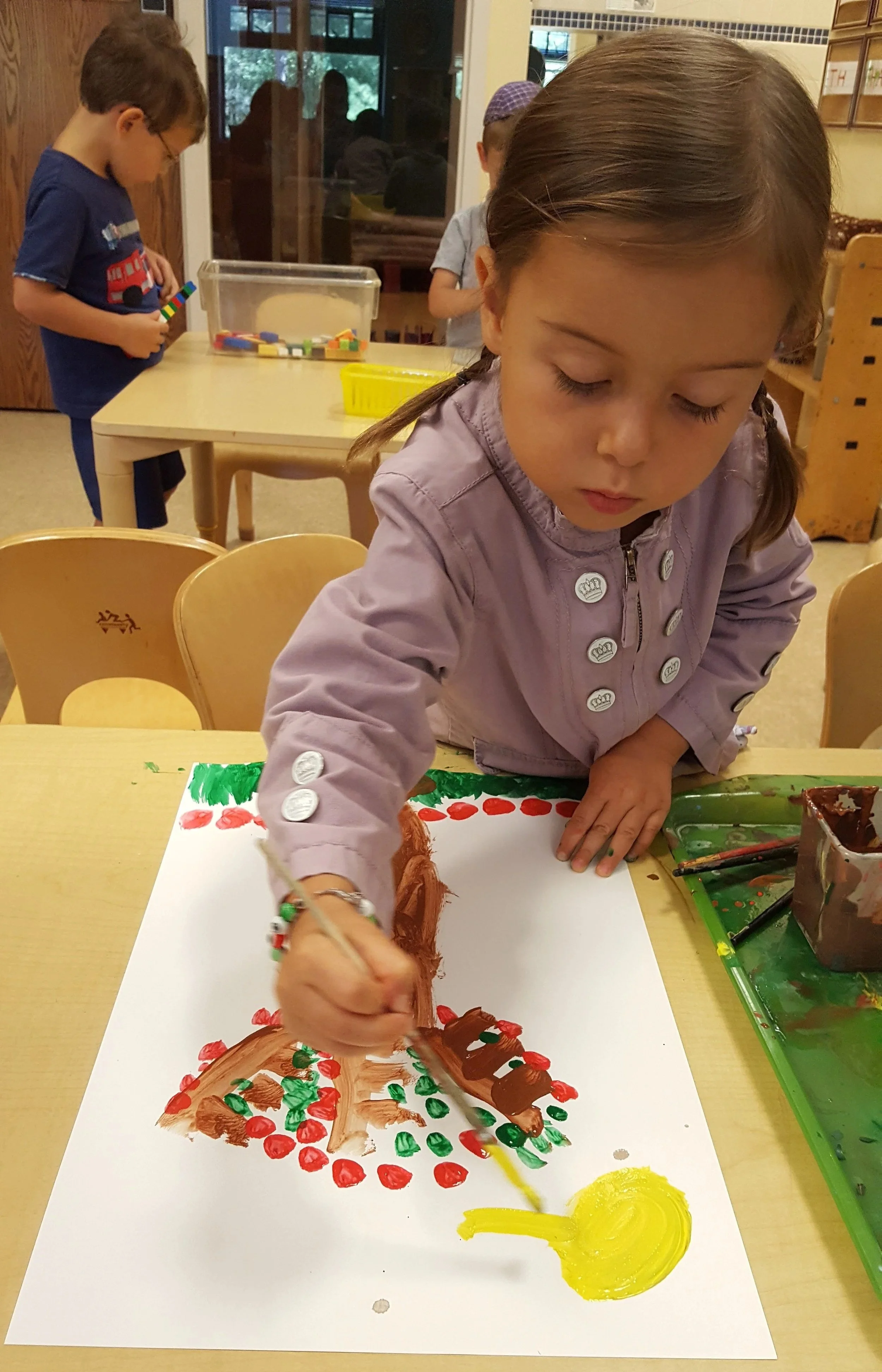
Our curriculum is a well-designed journey filled with exploration, discovery, and growth. The word curriculum comes from Latin, meaning “a course” or “racetrack”—a path to be run. At Zimmer, this path follows three intertwined tracks: skill development, content exploration, and the nurturing of good habits of heart and mind.
Skills are abilities children strengthen with practice. These span cognitive, social-emotional, language, and motor development, and include areas like problem-solving, communication, coordination, and early academics.
Content refers to the themes and concepts children explore. Some themes—such as the seasons or the Jewish holidays—are built into the calendar, while others emerge organically from the children’s own curiosity. [Read more about our Thematic & Emergent Units.]
Habits of heart and mind—like kindness, patience, responsibility, and resilience—are absorbed by watching how adults respond, how peers are treated, and how challenges are met. Teachers use daily experiences—like caring for materials, waiting for a turn, or pushing past perceived “I can’t”—as opportunities to foster these middot (character traits).
Our daily schedule balances individual and group learning, child-initiated and teacher-guided activities, active and quiet times, and indoor and outdoor play. Through art, music, storytelling, yoga, and hands-on discovery, children engage in their most important work: learning through play—strengthening skills, broadening their knowledge, and building good habits. [A Sample Day.]
Communication is a vital part of our partnership with families. Parents are kept informed and connected through daily updates on Brightwheel, monthly blogs, conferences, and yearlong portfolios, ensuring we work together to support the child’s growth and experiences.